

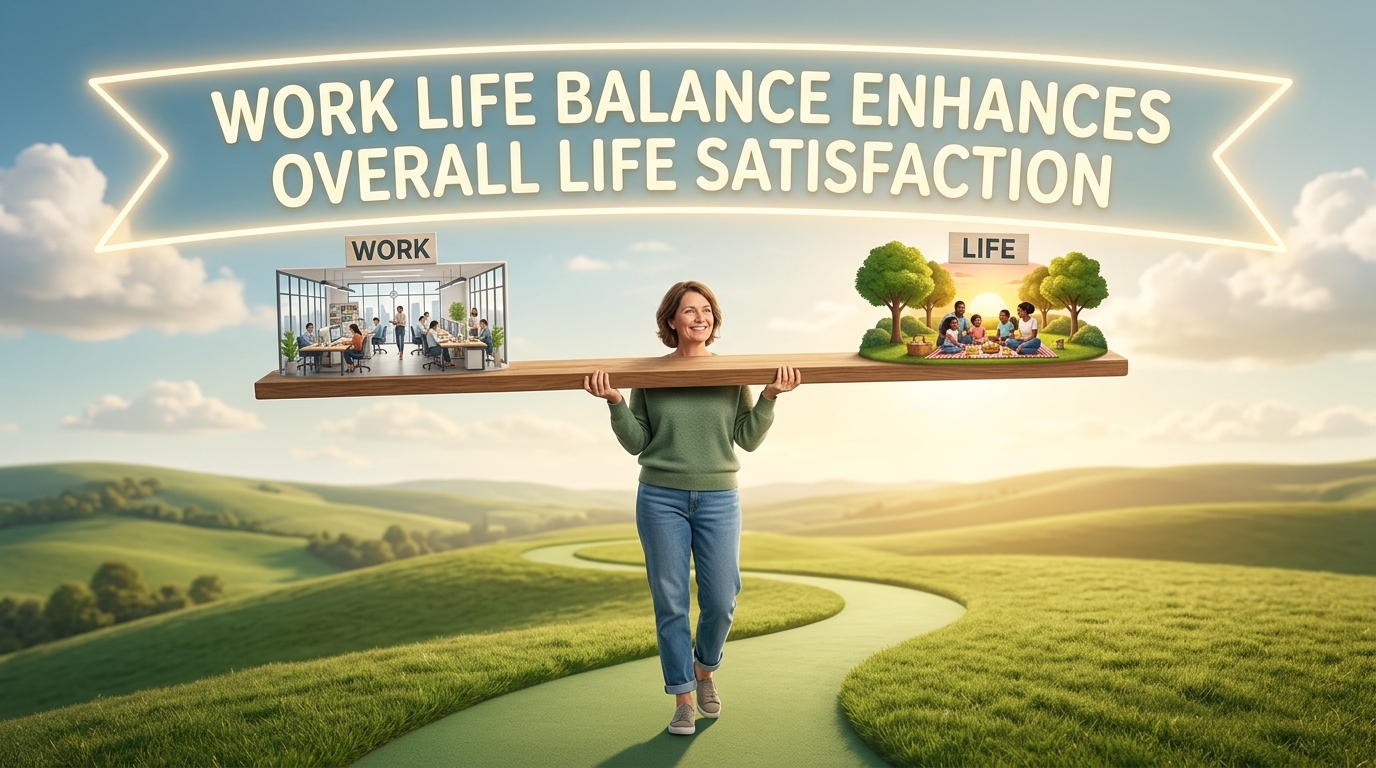
Work-life balance is a crucial factor in achieving overall life satisfaction in today’s fast-paced and demanding world. It refers to maintaining a healthy separation and harmony between professional responsibilities and personal life. When individuals manage their time and energy effectively, they experience reduced stress, improved health, and greater happiness both at work and in their personal lives.
Understanding Work-Life Balance
Meaning of Work-Life Balance
Work-life balance refers to the ability to manage work responsibilities alongside personal life without one negatively affecting the other. It helps individuals maintain productivity while also enjoying family time, hobbies, and rest.
Importance in Modern Life
In modern society, long working hours and digital connectivity often blur the line between work and personal life. Maintaining balance is essential for mental well-being and long-term satisfaction.
Role of Time Management
Effective time management allows individuals to complete tasks efficiently during working hours. This reduces overtime stress and creates space for personal activities and relaxation.
Boundaries Between Work and Personal Life
Setting clear boundaries, such as not checking work emails after office hours, helps individuals mentally disconnect from work and focus on personal well-being.
Work-Life Integration Concept
Instead of strict separation, some individuals adopt integration, where work and personal activities are balanced flexibly based on lifestyle needs and priorities.
Impact on Mental Health
Stress Reduction Benefits
A balanced lifestyle reduces workplace stress and prevents burnout. It allows individuals to recover mentally and maintain emotional stability.
Anxiety Management
When work pressure is controlled, anxiety levels decrease significantly, leading to improved focus and better decision-making in daily life.
Prevention of Burnout
Continuous overwork can lead to burnout, but maintaining balance ensures energy levels remain stable and sustainable over time.
Emotional Wellbeing Improvement
Time for family, friends, and hobbies improves emotional health and creates a sense of fulfillment beyond professional achievements.
Better Sleep Quality
Reduced stress and workload contribute to improved sleep patterns, which directly support mental and physical health.
Productivity and Work Performance
Improved Focus at Work
Employees with balanced lives tend to be more focused and efficient during working hours, leading to higher productivity.
Reduced Workplace Errors
Rested and stress-free individuals make fewer mistakes, improving overall work quality and performance outcomes.
Higher Motivation Levels
A healthy balance increases motivation, as individuals feel more satisfied and energized in their professional roles.
Efficient Task Completion
Time management and reduced fatigue help employees complete tasks more effectively within deadlines.
Creativity Enhancement
Relaxation and personal time stimulate creativity, leading to better problem-solving and innovation at work.
Physical Health Benefits
Reduced Health Risks
Maintaining balance lowers the risk of chronic conditions like heart disease, hypertension, and obesity caused by stress.
Increased Energy Levels
Proper rest and leisure activities help restore energy, allowing individuals to stay active throughout the day.
Better Exercise Routine
Balanced lifestyles provide time for physical activity, improving fitness and overall health.
Stronger Immune System
Reduced stress strengthens the immune system, making the body more resistant to illness.
Healthy Daily Habits
Balanced individuals are more likely to maintain nutritious diets and consistent self-care routines.
Family and Social Life
Stronger Family Relationships
Spending quality time with family strengthens emotional bonds and improves relationship satisfaction.
Social Interaction Growth
Work-life balance allows individuals to maintain friendships and social connections, which are essential for happiness.
Quality Time Importance
Engaging in meaningful activities with loved ones enhances emotional fulfillment and life satisfaction.
Reduced Relationship Stress
Balanced schedules reduce conflicts caused by work pressure and lack of time for relationships.
Community Engagement
Individuals with balanced lives are more likely to participate in community and social activities.
Workplace Environment and Culture
Flexible Work Arrangements
Companies offering flexible schedules help employees manage personal responsibilities more effectively.
Employee Satisfaction Levels
Balanced employees tend to be more satisfied with their jobs, leading to lower turnover rates.
Organizational Support Systems
Workplaces that promote balance through policies improve employee morale and performance.
Remote Work Opportunities
Remote work options allow employees to manage time better and reduce commuting stress.
Leadership Awareness
Supportive leadership plays a key role in encouraging healthy work-life balance practices.
Long-Term Life Satisfaction
Personal Fulfillment Growth
Balance allows individuals to pursue hobbies, passions, and personal goals outside of work.
Improved Life Happiness
A well-balanced lifestyle contributes directly to long-term happiness and emotional well-being.
Sustainable Career Growth
Balanced individuals are more likely to maintain long-term career success without burnout.
Financial and Emotional Stability
Proper balance ensures both professional growth and emotional peace are maintained together.
Overall Life Harmony
Work-life balance creates harmony between career success and personal happiness.
Conclusion
Work-life balance is essential for enhancing overall life satisfaction by improving mental health, productivity, relationships, and physical well-being. When individuals manage their time wisely and maintain clear boundaries between work and personal life, they experience greater happiness and stability. A balanced lifestyle not only supports career success but also leads to a more meaningful and fulfilling life.