

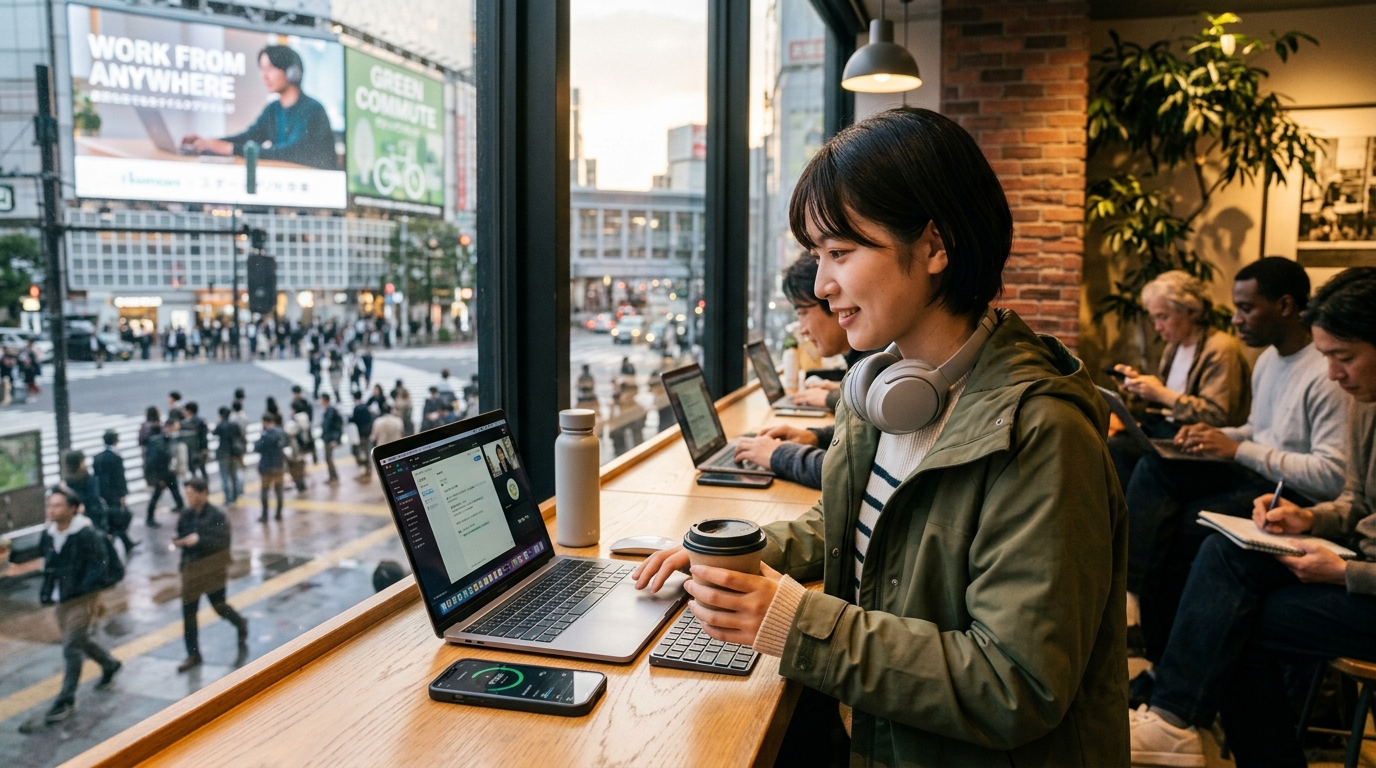
Modern lifestyle trends are rapidly reshaping how people live, work, eat, communicate, and spend their time across the world. Driven by technology, globalization, and social media, these trends influence daily habits in both positive and challenging ways. From digital routines to health awareness and remote work culture, modern lifestyles are creating more connected, fast-paced, and convenience-oriented societies while also changing traditional behaviors and cultural patterns.
Digital Transformation of Daily Life
Smartphone Dependency Growth
Smartphones have become essential tools for daily activities such as communication, navigation, shopping, and entertainment. This dependency has changed habits by making people constantly connected and more reliant on digital solutions for everyday tasks.
Social Media Integration
Social media platforms influence how people interact, share experiences, and consume information. Daily habits are shaped by online trends, digital communication styles, and the need for constant engagement with virtual communities.
Online Entertainment Consumption
Streaming platforms and mobile apps have replaced traditional media consumption habits. People now prefer on-demand content, leading to personalized entertainment experiences and reduced dependence on scheduled television programming.
Digital Payment Adoption
Cashless transactions and mobile wallets have changed financial habits globally. People now prefer fast and secure digital payments for shopping, bills, and services, reducing the use of physical cash in daily life.
Remote Connectivity Habits
Digital tools enable people to stay connected for work, education, and social interactions from anywhere. This has transformed how individuals manage time and organize daily responsibilities.
Health and Fitness Awareness Trends
Fitness Lifestyle Popularity
Modern lifestyle trends encourage regular exercise, gym culture, and fitness tracking. People are more focused on maintaining physical health through structured workout routines and wellness programs.
Healthy Eating Habits
There is growing awareness about balanced diets, organic food, and nutritional planning. People are increasingly avoiding processed foods and adopting healthier eating patterns.
Mental Health Awareness Growth
Mental health has become a key focus in modern lifestyles, with more attention given to stress management, therapy, and emotional well-being practices.
Sleep Hygiene Improvement
Individuals are becoming more conscious of sleep quality, leading to better sleep routines, reduced screen time before bed, and improved rest patterns.
Wellness Technology Usage
Wearable devices and health apps track fitness, heart rate, and sleep cycles, helping individuals monitor and improve their overall health habits.
Work Culture and Productivity Changes
Remote Work Expansion
Remote work has changed traditional office routines by allowing employees to work from home or flexible locations. This shift has improved work-life balance for many individuals.
Flexible Working Hours
Modern workplaces are adopting flexible schedules, allowing employees to manage their time more efficiently and improve productivity based on personal peak performance hours.
Gig Economy Growth
Freelancing and short-term contracts have become more common, enabling people to earn income through multiple sources and flexible job opportunities.
Digital Collaboration Tools
Workplace communication has shifted to digital platforms such as video conferencing and project management tools, improving teamwork efficiency across distances.
Productivity Optimization Techniques
Modern professionals use time management apps and productivity systems to organize tasks and improve efficiency in both personal and professional life.
Consumer Behavior and Shopping Trends
E Commerce Expansion
Online shopping has changed purchasing habits by offering convenience, variety, and fast delivery. Consumers now prefer digital marketplaces over physical stores.
Personalized Marketing Influence
Brands use data-driven marketing to offer personalized recommendations, influencing consumer decisions and shaping buying behavior.
Subscription Based Services
People increasingly use subscription services for entertainment, food, and lifestyle products, creating consistent and automated consumption habits.
Brand Conscious Purchasing
Modern consumers are more aware of brand reputation, sustainability, and quality, which influences their buying choices.
Impulse Buying Through Digital Ads
Targeted advertising and social media promotions encourage instant purchases, changing traditional shopping decision processes.
Social Behavior and Communication Shifts
Digital Communication Preference
Messaging apps and social platforms have replaced traditional communication methods, making digital interaction the primary mode of connection.
Virtual Social Networking
People build relationships through online communities, expanding social circles beyond physical boundaries and geographical limitations.
Influencer Driven Culture
Influencers shape opinions, trends, and lifestyle choices, significantly impacting daily habits and consumer preferences.
Reduced Face To Face Interaction
Increased digital communication has reduced in-person interactions, changing social behavior patterns and communication styles.
Global Cultural Exchange
Modern trends allow people to experience and adopt cultural practices from around the world through digital exposure.
Environmental and Sustainable Living Trends
Eco Friendly Lifestyle Adoption
People are becoming more conscious of environmental impact, adopting sustainable habits such as recycling and reducing waste.
Green Energy Awareness
There is growing interest in renewable energy sources and energy-efficient technologies for homes and businesses.
Sustainable Consumption Habits
Consumers prefer eco-friendly products and ethical brands that support sustainability and responsible production.
Minimalist Living Trends
Minimalism encourages reducing unnecessary possessions and focusing on simple, meaningful lifestyles.
Climate Conscious Behavior
Daily habits are increasingly influenced by awareness of climate change and environmental responsibility.
Technology Driven Lifestyle Innovation
Artificial Intelligence Integration
AI is becoming part of daily life through smart assistants, recommendations, and automation in various applications.
Smart Home Technology Usage
Smart devices control lighting, security, and appliances, making homes more efficient and convenient.
Wearable Tech Adoption
Fitness bands and smartwatches help people track health, activity, and daily performance.
Augmented Reality Experiences
AR technology enhances shopping, gaming, and learning experiences through interactive digital environments.
Future Lifestyle Automation
Automation trends are expected to further simplify daily tasks, making life more efficient and technology dependent.
How do modern lifestyle trends affect daily life?
They influence habits related to communication, health, work, and consumption patterns.
Why is digital lifestyle important today?
Digital tools improve convenience, connectivity, and access to information.
Are modern lifestyle trends good or bad?
They offer benefits like convenience but can also create dependency and stress if unmanaged.
How does social media change habits?
It influences communication, shopping decisions, and entertainment preferences.
What is a modern lifestyle?
A modern lifestyle is shaped by technology, globalization, and fast-paced daily routines.
Conclusion
Modern lifestyle trends are reshaping daily habits worldwide by influencing how people communicate, work, shop, and manage health. Technology and digital connectivity have made life more convenient and fast-paced, while also introducing new challenges related to balance and well-being. As these trends continue to evolve, individuals must adapt wisely to maintain a healthy, productive, and balanced lifestyle in the modern world.