

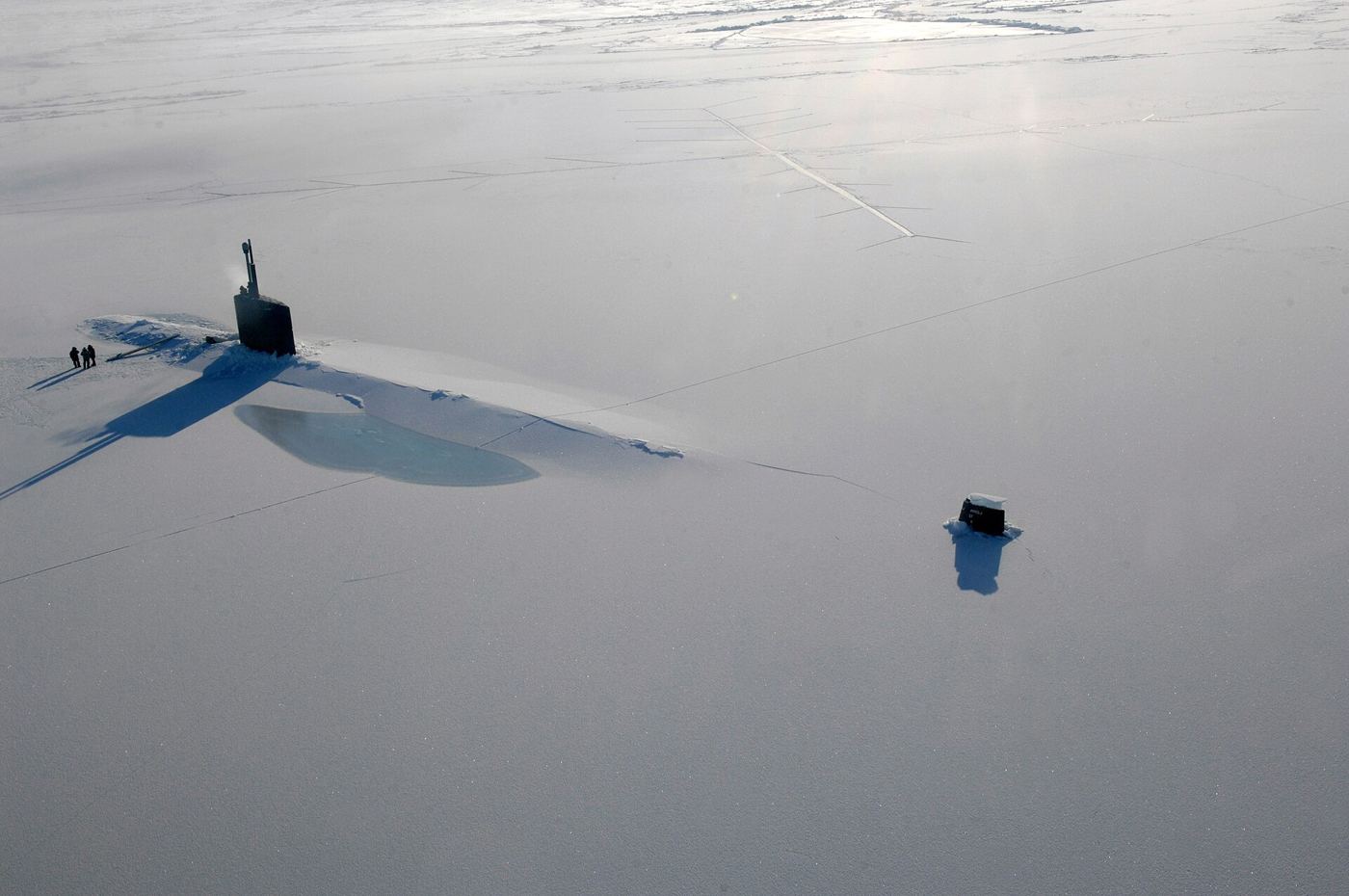
Satellite observations show Arctic sea ice regrowing unevenly this winter, with strong recovery in some regions and unusually thin cover in others exposed to warm air intrusions. Scientists say the pattern reflects both natural variability and a long-term decline in older, thicker ice. The seasonal freeze-up is being tracked closely because spring thickness helps predict how much ice will survive the summer melt.
What the Evidence Shows
Forecasters note that storms can quickly fracture newly formed ice, redistributing it and exposing open water that absorbs more heat. Improved models combining satellite data and ocean measurements are helping researchers separate short-term weather effects from broader climate trends shaping the polar region each year. Reporting and analysis from sources such as NASA track the same developments, and specialists following arctic sea ice say the direction is now consistent across independent lines of evidence.
The Wider Context
Funding bodies are watching arctic sea ice closely because the work sits at the junction of basic curiosity and practical return. Grant panels increasingly ask for a path from discovery to application, while researchers push back that the most valuable uses of fundamental science are rarely the ones written into the original proposal. The tension is productive when both sides stay honest about timescales.
What Happens Next
The long view on arctic sea ice is that fields advance by accumulation rather than by single announcements. This result adds a solid, checkable piece to a structure many teams are building, and its authors have shared their data so the piece can be tested from every side. That is how the picture eventually becomes reliable enough to act on. You can follow related developments in our coverage of science.
It is also worth remembering how quickly the picture in this area has changed before. Positions that looked settled a few years ago have been revised as new data arrived, and the same humility is appropriate now. The strongest coverage of this subject, and the most useful advice, tends to come from sources that update their views openly when the facts move, rather than defending an earlier position long after it has stopped fitting the evidence available.
None of this will be settled by a single announcement, study or product launch. The pattern to watch is accumulation: independent confirmations, honest reporting of failures and steady improvement in the underlying numbers. Readers who follow those signals, rather than the loudest claim of the week, will understand this subject better than most of the commentary surrounding it suggests is possible.
There is a practical lesson in all of this for readers deciding what to do today. Start with the verified facts, be wary of anyone promising certainty, and prefer reversible steps while the evidence is still developing. Circumstances differ by country, income and personal situation, so general guidance should always be weighed against your own context before you act on it in any significant or lasting way.
