

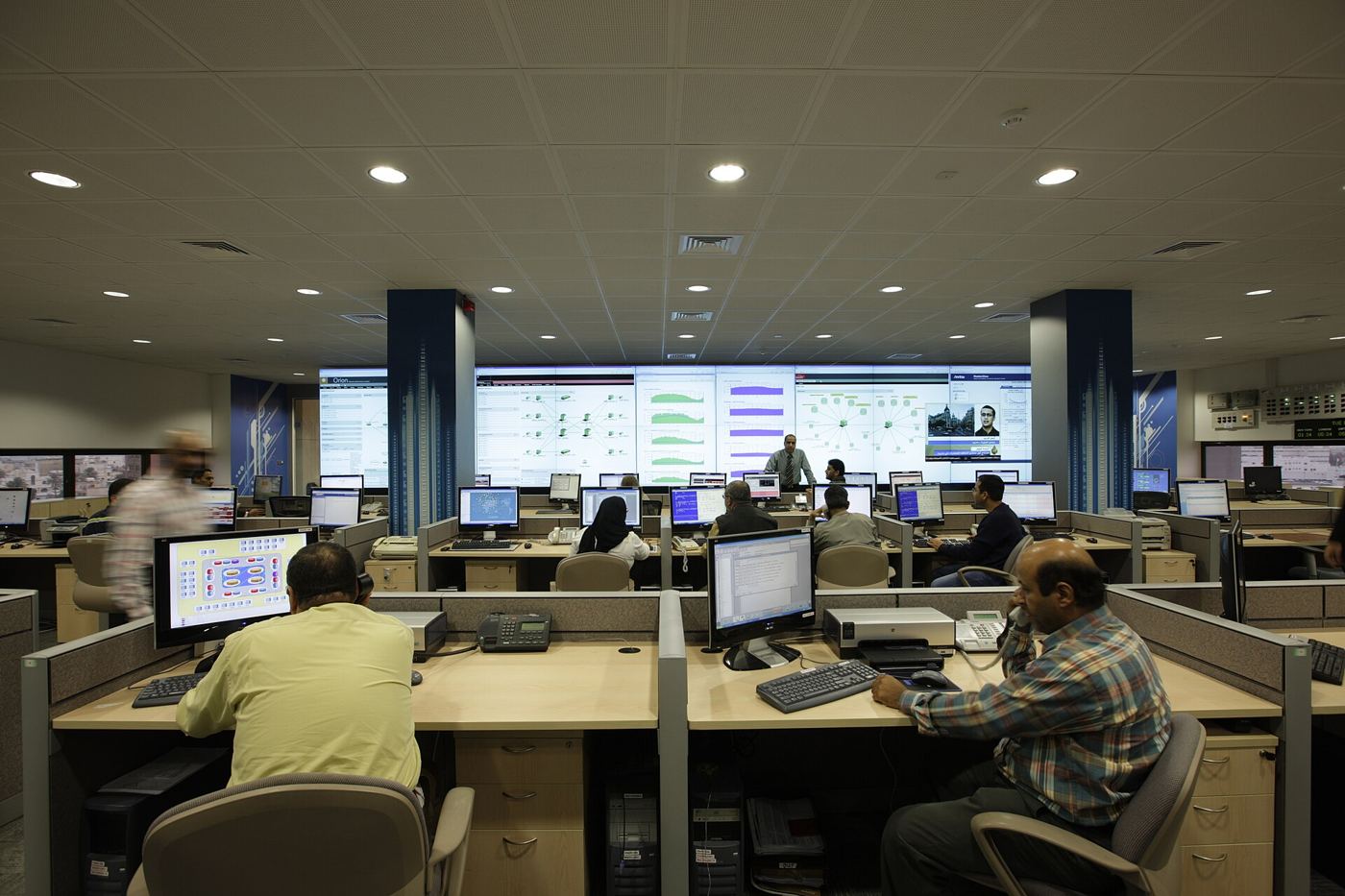
When a cyber attack begins, the first sign is often a small anomaly: a login at an unusual hour, a server behaving slightly out of character, or a sudden spike in outgoing traffic. Security operations centres exist to catch those signals, with teams of analysts watching banks of screens around the clock, triaging alerts and deciding which ones need an immediate response. The centres combine automated tools that flag suspicious activity with human judgement, since machines alone cannot tell a genuine attack from an employee working late. Hospitals, banks and government departments are among the biggest users, and many now run their operations centres day and night, because attackers do not keep office hours. Staff say the work is a mix of routine monitoring and sudden urgency, with quiet shifts interrupted by incidents that demand a coordinated response within minutes. The work has grown more important as ransomware attacks have hit hospitals and schools, locking staff out of their own systems until a ransom is paid.
What the Evidence Shows
Staffing these centres is a growing challenge, since experienced analysts are in short supply and the night shifts are hard to fill. Training programmes are expanding, and some centres are turning to automation to filter out the flood of low-level alerts so analysts can focus on the serious ones. Industry specialists say the most effective centres are those that practise regularly, running simulated attacks to test how quickly the team can spot, contain and report a breach. Smaller organisations that cannot afford their own centre are increasingly buying the service from specialist firms, which monitor many clients from one location. The shared model brings professional protection within reach of charities and small businesses, though experts warn that outsourcing the watching does not remove the need for good passwords, updates and staff training inside the organisation itself. The best centres also share information with each other, passing on warnings about new attack methods so that one organisation’s close call becomes another’s early warning. Reporting and analysis from sources such as MIT Technology Review track the same developments, and specialists following the round-the-clock security operations centre say the direction is now consistent across independent lines of evidence.
The Wider Context
The wider context is an industry learning to ship capability and restraint together. Products built around the round-the-clock security operations centre now launch with safety evaluations, usage data and rollback plans as standard, because enterprise buyers and regulators ask for them in the first meeting. Companies that treated those questions as friction are discovering they have become the purchase criteria.
What Happens Next
What happens next for the round-the-clock security operations centre depends less on another breakthrough than on the unglamorous work of reliability, pricing and support. The buyers evaluating it now are not enthusiasts; they are operators with budgets and auditors, and their checklists will decide the timeline. On the evidence of the current pilots, the technology has earned the right to be judged by them. You can follow related developments in our coverage of technology.
There is a practical lesson in all of this for readers deciding what to do today. Start with the verified facts, be wary of anyone promising certainty, and prefer reversible steps while the evidence is still developing. Circumstances differ by country, income and personal situation, so general guidance should always be weighed against your own context before you act on it in any significant or lasting way.
