

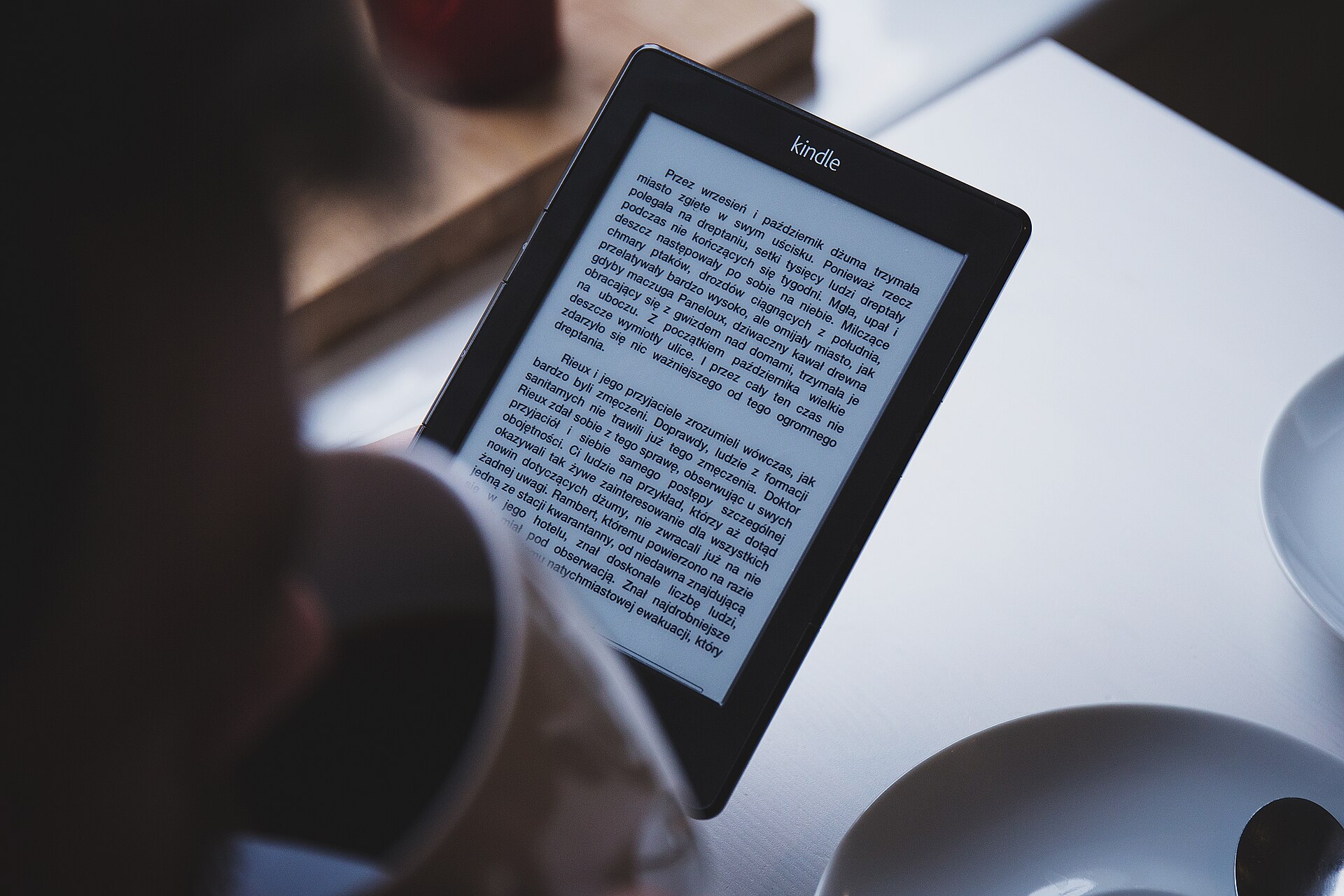
Predictions that e-readers would kill the printed book have aged badly — and so have predictions that they were a fad. Fifteen years on, e-readers and digital publishing occupy a settled, substantial place in reading life: print still dominates sales, e-books hold a loyal share, and audiobooks grow fastest of all. At TechEpaper we review the devices and platforms where reading happens, and the current generation of e-readers is the most interesting in years.
The hardware has matured quietly. Modern e-ink screens are sharper, warmer-lit and waterproof; batteries last weeks; and colour e-ink has finally become usable for comics, textbooks and illustrated books. Devices now compete less on novelty than on feel — weight, page-turn speed, note-taking and how gracefully they handle a library borrowed from anywhere.
Publishing, meanwhile, has reorganised around digital in ways readers feel daily: instant delivery, library lending apps, subscription catalogues and self-publishing platforms that route around traditional gatekeepers entirely.
What today’s e-readers do better
The core virtues remain focus and comfort. An e-reader does one thing without notifications, reads comfortably in sunlight and darkness, and carries a library in two hundred grammes — which is why dedicated devices survived the smartphone era that killed other single-purpose gadgets. For heavy readers, the economics also work: e-books are often cheaper, library lending is free, and a device pays for itself quickly.
The frontier has moved to notes and colour. Stylus-equipped e-ink notebooks now serve students and professionals who annotate PDFs and draft by hand, while colour models open children’s books, cookbooks and graphic novels to the format. Our reviews section tests these claims properly — screen quality in daylight, real battery life, and how open each device is to bookstores beyond its maker’s own shop, which remains the industry’s quiet battleground.
How digital changed publishing itself
Digital publishing’s deepest effects are structural. Self-publishing platforms let authors reach readers without agents or advances, taking a far larger royalty share per sale; romance, thriller and science-fiction genres were transformed first, and non-fiction followed. Subscription services pay authors by pages read, rewarding pace and series writing. Industry reporting by outlets such as Publishers Weekly documents how these channels now account for a significant share of genre sales, invisible to traditional bestseller lists.
Libraries have become a contested front line. Digital lending gives patrons instant access, but libraries license e-books at high prices and limited loan counts compared with print, a model librarians and publishers continue to dispute. Data from sources such as Statista’s e-book market coverage shows a mature, slowly growing global market — less a revolution now than a permanent second channel, which is precisely what makes its rules worth arguing about.
Reading habits: what readers actually choose
Surveys of reading habits find most readers are format pluralists: print for keeping and gifting, e-books for travel and night reading, audio for commutes and chores. Publishers report the same pattern across markets: the format follows the occasion, not the other way round, and retailers, libraries and publishers have all rebuilt their businesses around that pluralism. Total reading time is the scarcer resource, competed for by every other screen — which reframes the e-reader’s real achievement: it made digital reading feel like reading, rather than like using a computer.
The next chapter is likely to be about openness and intelligence. Readers increasingly expect to buy once and read anywhere, to move libraries between devices, and to get recommendations better than a bestseller list. Artificial intelligence will narrate, summarise and personalise — raising fresh questions about authorship and value. The book has survived every technology predicted to replace it by absorbing what was useful. E-readers, on current evidence, are another absorption in progress — and readers are the beneficiaries.
